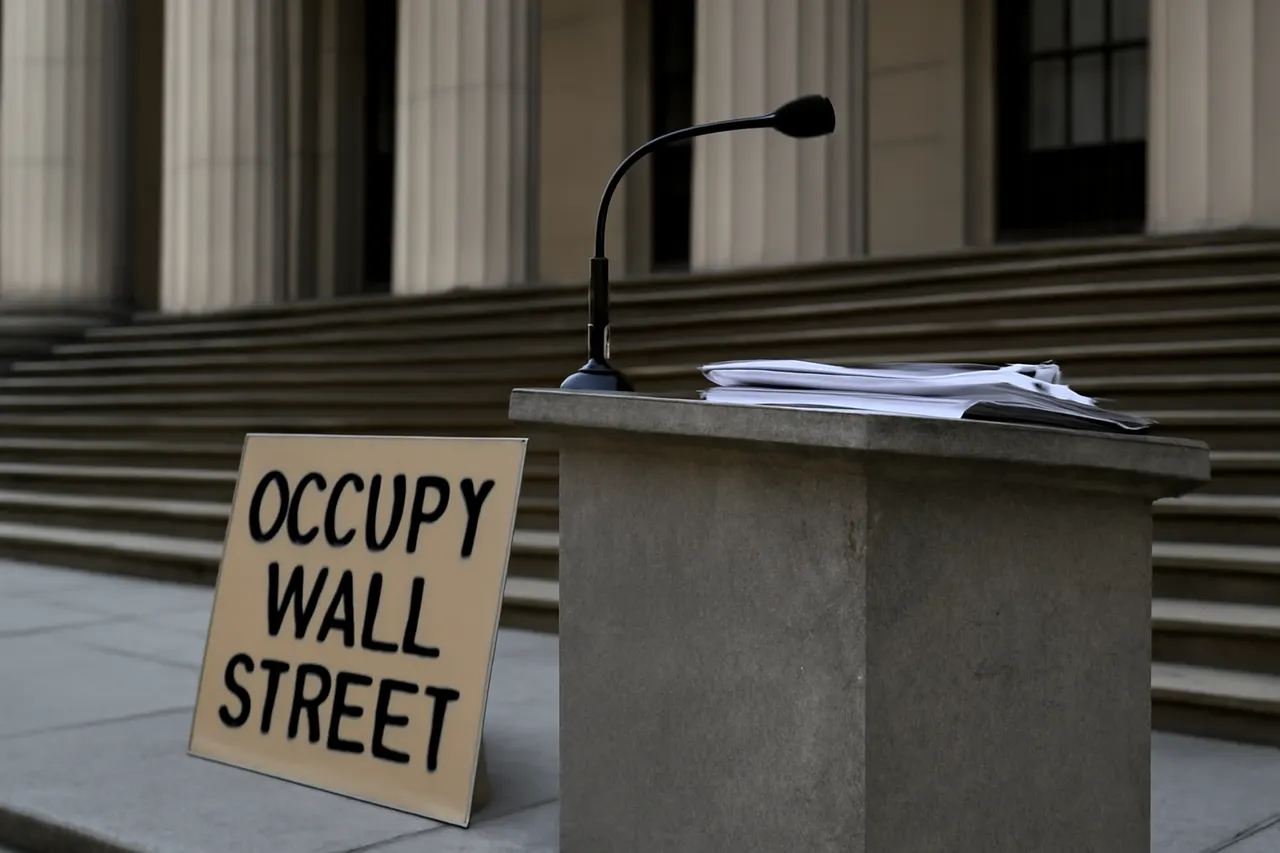
Yotam Marom, a key figure in the Occupy Wall Street movement, has shared insights into why the movement fell apart 15 years ago. The New York-based organizer and author explained that Occupy, which once united tens of thousands across the country, ultimately could not survive police raids, evictions, harsh winter conditions, and what he terms an internal “politics of powerlessness.” This internal dynamic, Marom argues, confused a healthy skepticism of institutional power with a failure to develop a strong, coherent strategy for political change, leading to the movement’s rapid fragmentation and lack of revival.
In his new book, For Louder Days: Reaching Beyond a Politics of Powerlessness, Marom reflects on similar challenges he has observed in other social movements through his work as an organizer and facilitator. He founded the Wildfire Project, which trains grassroots groups, and has collaborated with organizations such as the Sunrise Movement, Dream Defenders, the Uncommitted movement, and tenants unions.
Marom also highlights significant shifts in the broader left’s relationship to power since 2011. He notes that a Democratic socialist now serves as mayor of New York City and that numerous leftwing candidates are challenging establishment Democrats for congressional seats. Marom points to the 2016 presidential run of Bernie Sanders and the recent elections of the Squad and Zohran Mamdani, along with a slate of Democratic Socialists of America (DSA) candidates in New York, as evidence of an opening for mass socialist politics.
He observes that movements today are more mature than they were during Occupy and that some organizations are actively intervening in political dynamics by seeking power through electoral insurgency, especially in New York.
Sources
- Guardian US: From Bernie to Mamdani, how the Occupy movement transformed American politics by Natasha Lennard, published July 21, 2026.
Loading comments.