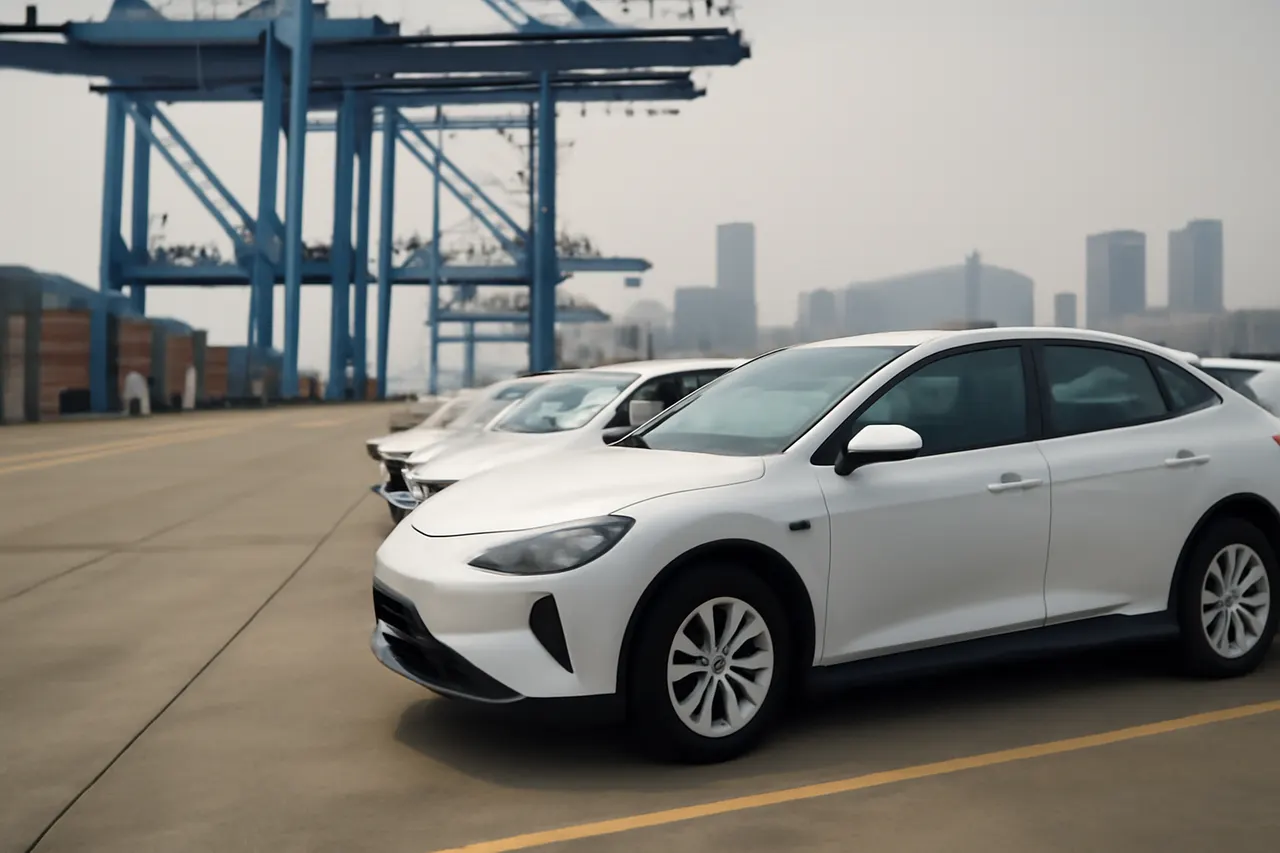
China’s electric vehicle (EV) industry has become a focal point of economic and geopolitical trends, including consumer spending, environmental protection, trade policy, and high-end manufacturing. Once a latecomer in the automotive world, China has transformed into an EV powerhouse amid a global shift towards electric engines.
Historically, established automakers held advantages due to extensive supplier networks and expertise in engines, transmissions, and other core powertrain technologies. However, electrification has lowered these barriers by reducing the importance of such components.
Many emerging-market governments are now adopting China’s state-led approach, providing incentives to boost demand and encouraging localization of production and supply chains. This strategy aims to accelerate industrial catch-up and foster domestic champions before the global EV market consolidates around a few dominant firms from early adopter countries.
Claire Yuan, director at S&P Global Ratings, commented, “China’s rapid rise in the EV sector demonstrates that disruptive innovation can dismantle entrenched technology barriers – such as internal combustion engine – and unlock viable pathways to industrial upgrading. Established international players could risk losing their competitiveness as local, state-backed national champions expand.”
The analysis was presented by Yeon Woo Lee in a series assessing the EV sector’s current state within broader contexts, highlighting Beijing’s potential blueprint for developing countries to enter the EV field.
Loading comments.