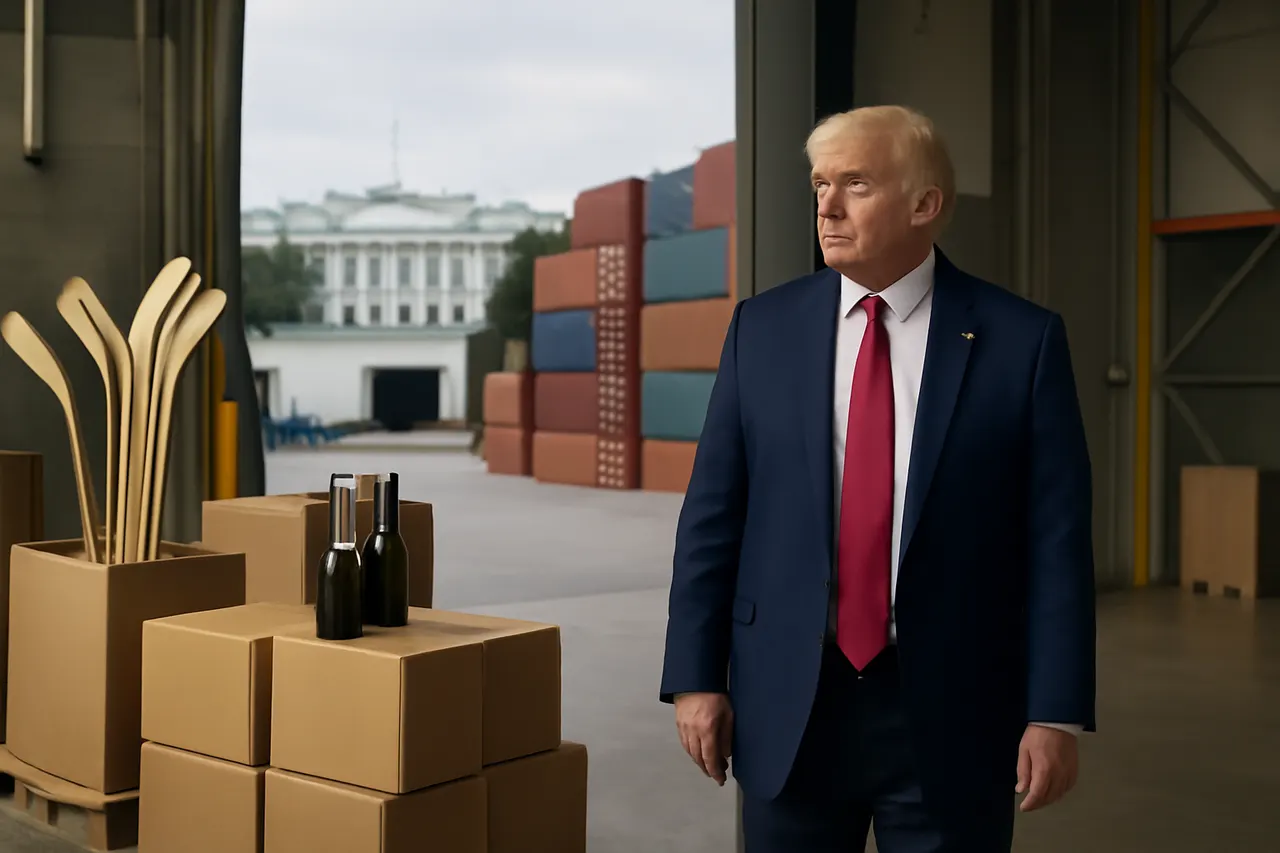
On Monday, July 20, 2026, US President Donald Trump approved orders to impose new 50% tariffs on many Canadian goods, escalating an ongoing trade dispute between the two countries. The tariffs, set to take effect in 30 days, will cover a wide range of products including wine, hockey sticks, and cement, according to a White House fact sheet.
The White House accused Canada of "unreasonable, unequal, and discriminatory actions" such as removing US alcohol products from Canadian shelves, providing better market access to dairy products from the European Union, and capping US vehicle exports to Canada from companies reshoring to the United States. US Trade Representative Jamieson Greer charged Canada with these retaliatory measures in a statement.
These new tariffs utilize Section 338 of the Tariff Act of 1930, a lesser-known legal provision allowing action against countries engaging in discriminatory trade practices. Notably, the tariffs will apply to products covered under the US-Mexico-Canada Agreement (USMCA), marking a departure from previous exemptions for goods entering under this pact.
The White House clarified that the tariffs will not apply to energy, potash, and goods already subject to sector-specific tariffs. A senior administration official emphasized that the new tariffs do not signal a trade war and that the US remains open to negotiations, but stressed the need to respond to Canada's retaliatory trade practices.
These measures come amid heightened tensions, including recent threats by Trump to increase tariffs over wildfire smoke drifting from Canada into the US. The White House noted that Canada is one of only two countries, alongside China, to have retaliated against Trump's sweeping tariffs last year.
The tariffs are expected to further strain relations between Washington and Ottawa.
Loading comments.