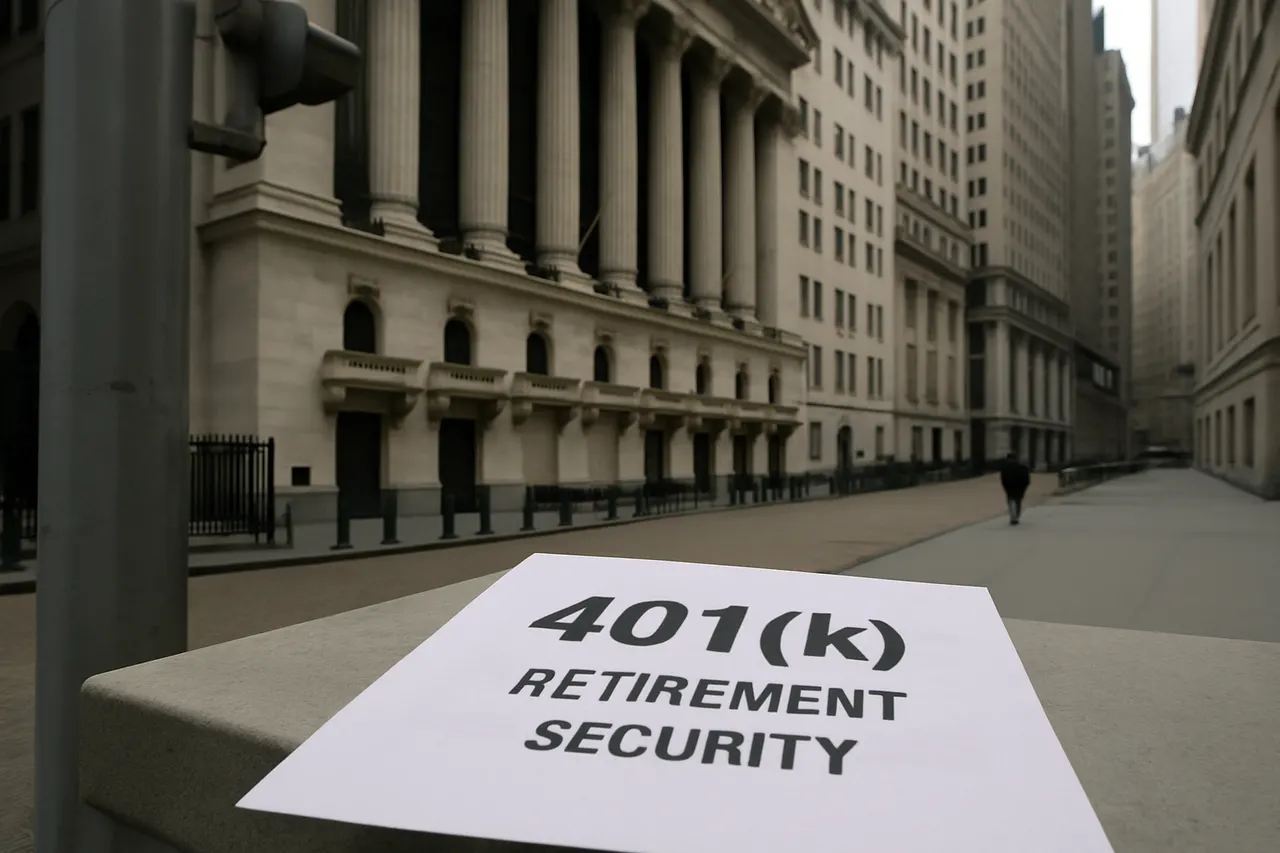
Most Americans rely on steady saving and cautious planning through their 401(k) plans to secure their retirement years. However, the Trump administration is seeking to change established retirement investing practices by weakening key protections that safeguard workers' retirement funds.
The regulatory rollback is led by an industry insider with ties to major companies poised to benefit from the changes. Critics, including Khawar, former second-in-command of the Employee Benefits Security Administration (EBSA) under President Joe Biden, describe the approach as a superficial "check-the-box" exercise that could allow poor investment decisions to go unchecked.
Tim Hauser, a 34-year veteran of EBSA and its highest-ranking career staffer before retiring last year, warned that these proposals undermine the core of the Employee Retirement Income Security Act (ERISA). He emphasized that the ability of courts and regulators to hold employers accountable for poor 401(k) investment choices is "fundamental to this whole system." Hauser noted that the proposals would deprioritize this accountability while encouraging investments in more complex and unclear assets.
Kai Richter, an attorney with Cohen Milstein specializing in ERISA class-action cases, highlighted that declining profit margins in the 401(k) industry have led financial firms to seek new revenue streams. Following the proposed rule finalization, about 5 million participants are expected to see new or modified target date funds incorporating alternative investments, with numbers projected to grow annually.
Major private investment firms, including BlackRock, Apollo, and Goldman Sachs, have already announced 401(k) funds that include private assets, signaling a shift in the retirement investment landscape.
Loading comments.