The 2026 FIFA World Cup, hosted across 16 cities in the United States, Canada, and Mexico, is drawing attention not only for its scale but also for its environmental impact. An independent estimate by carbon accounting platform Greenly calculates the tournament’s total carbon footprint at approximately 7.8 million tonnes of CO2 equivalent, with spectator travel accounting for about 88% of that total.
The event features 48 teams competing in 104 games, involving extensive travel by suppliers, sponsors, journalists, officials, teams, and fans, primarily by air across North America. This level of movement contributes significantly to pollution, prompting calls for the tournament to implement serious measures to measure, reduce, and offset its emissions.
FIFA initially budgeted around $11 billion in revenue for its 2023-2026 cycle, with the 2026 World Cup as the centerpiece event, and has since increased this revenue target. Given the financial scale, there is growing advocacy for FIFA to allocate funds toward sustainability initiatives.
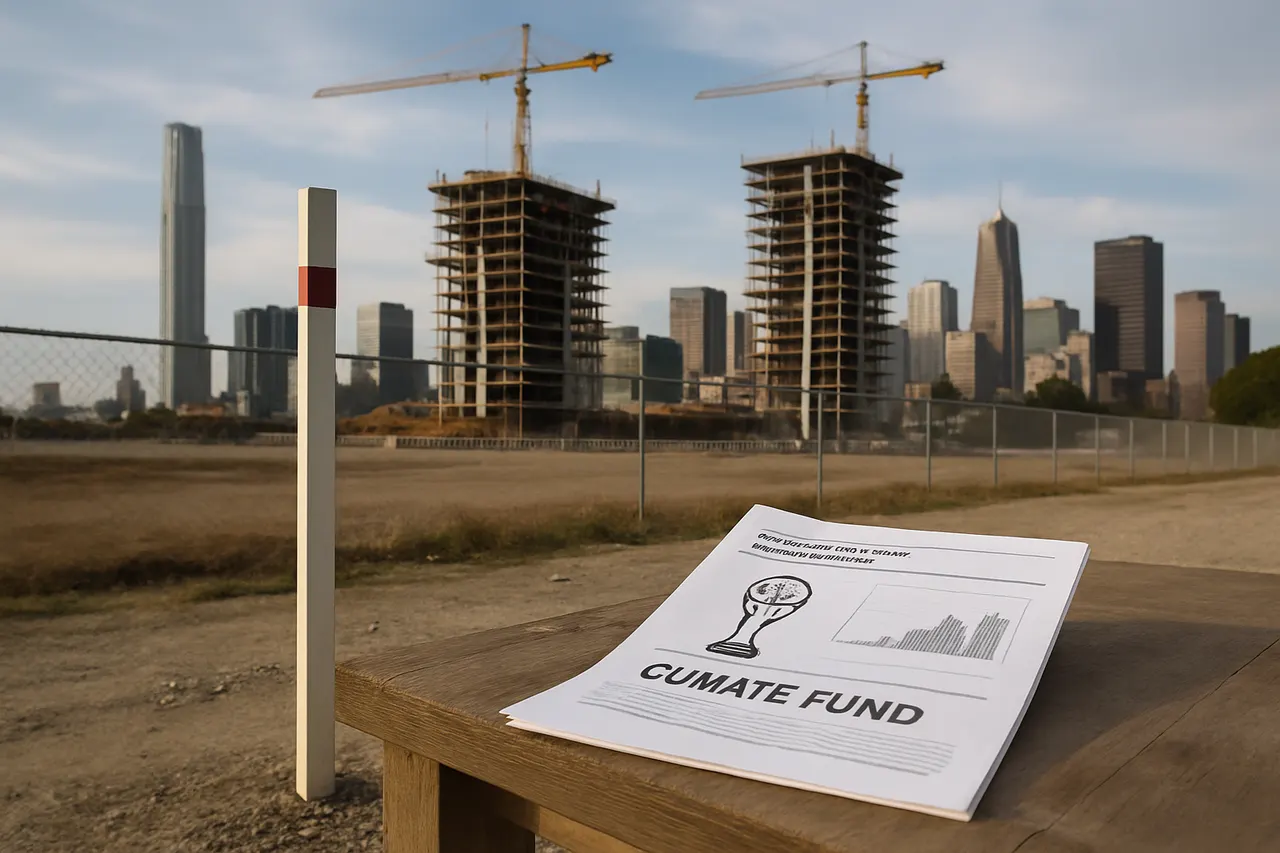
There is precedent for such action: UEFA’s Euro 2024 Climate Fund invested nearly 8 million euros in grassroots sustainability projects, including solar panels, battery storage, LED floodlights, electric vehicle charging stations, and waste separation systems. This model suggests a pathway for the World Cup to address its environmental responsibilities.
The rationale behind accounting for emissions is increasingly accepted globally, forming the basis for evaluating businesses, government projects, and institutional activities. Experts argue this principle should extend to major international events like the World Cup, aligning with the broader movement toward carbon pricing and pollution cost coverage.
Loading comments.