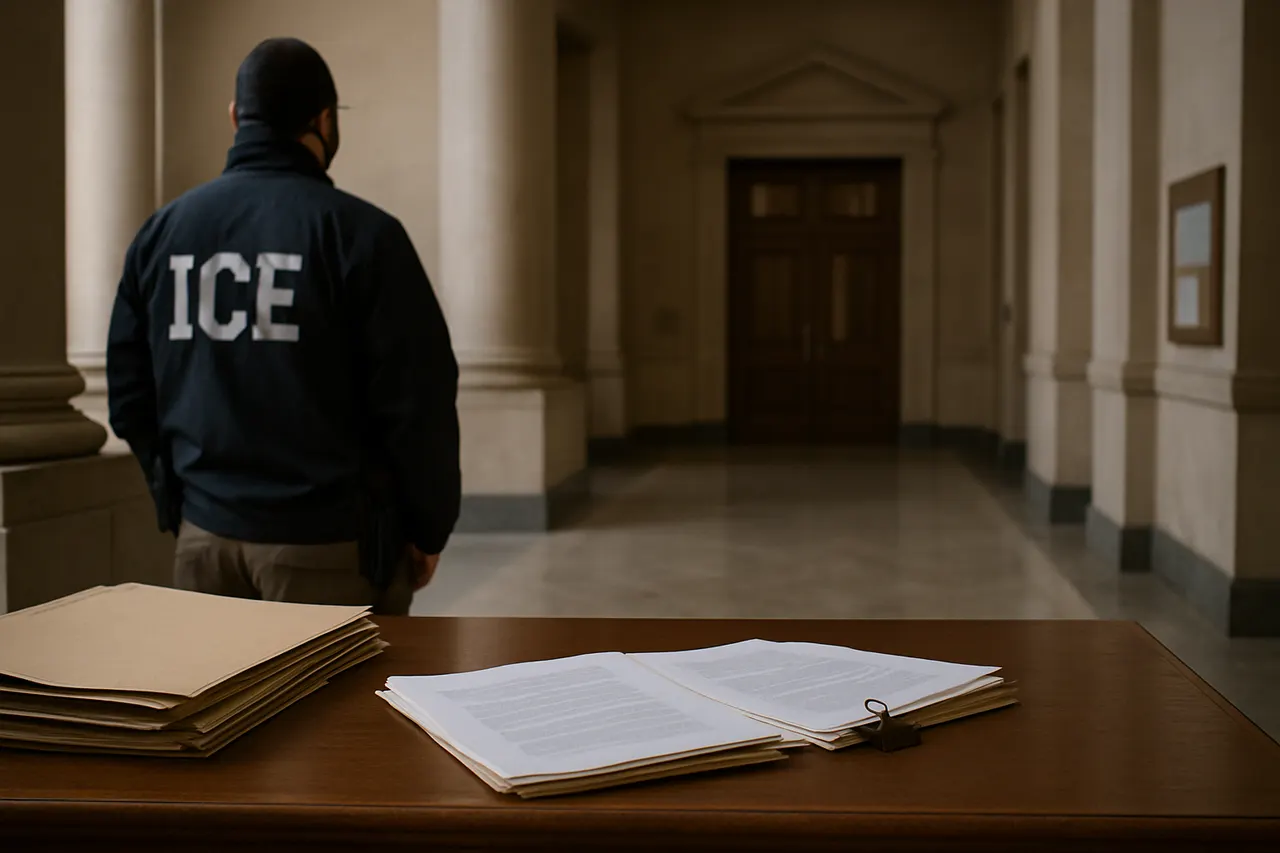
On May 20, 2026, Virginia Governor Abigail Spanberger signed the Mask/Identity Law, which makes it a misdemeanor for law enforcement officers to wear facial coverings that conceal their faces while performing official duties. The law was enacted amid concerns that federal law enforcement officers were undermining accountability, sowing fear and confusion, and eroding public trust.
The law applies to both state and federal law enforcement officers. However, a court decision by Judge Robert Payne of the Eastern District of Virginia has blocked the law's application to federal officers, including those from Immigration and Customs Enforcement (ICE).
The United States government argued that the law directly regulates ICE's enforcement of federal immigration laws. Legal precedent, including rulings by the Ninth Circuit and the Supreme Court, supports the view that state laws cannot impose additional qualifications or controls on federal officers beyond those established by the federal government. For example, the Supreme Court in Maryland (1920) held that federal employees cannot be subjected to state laws requiring additional qualifications, such as state driver's licenses, when performing federal duties.
The Ninth Circuit has explained that a state law "lays hold of federal officers in their specific attempt to obey orders and requires qualifications in addition to those that the [federal] Government has pronounced sufficient," which constitutes direct regulation of the federal government. Similarly, the Fifth Circuit rejected a state regulation argument involving Texas, noting that Texas acted as a private proprietor rather than a regulator and did not seek to control how federal Border Patrol agents carry out their duties.
As a result, the Mask/Identity Law's restrictions on mask-wearing by law enforcement officers have been blocked as to ICE agents, reflecting the legal limits on states regulating federal officers' conduct.
Loading comments.