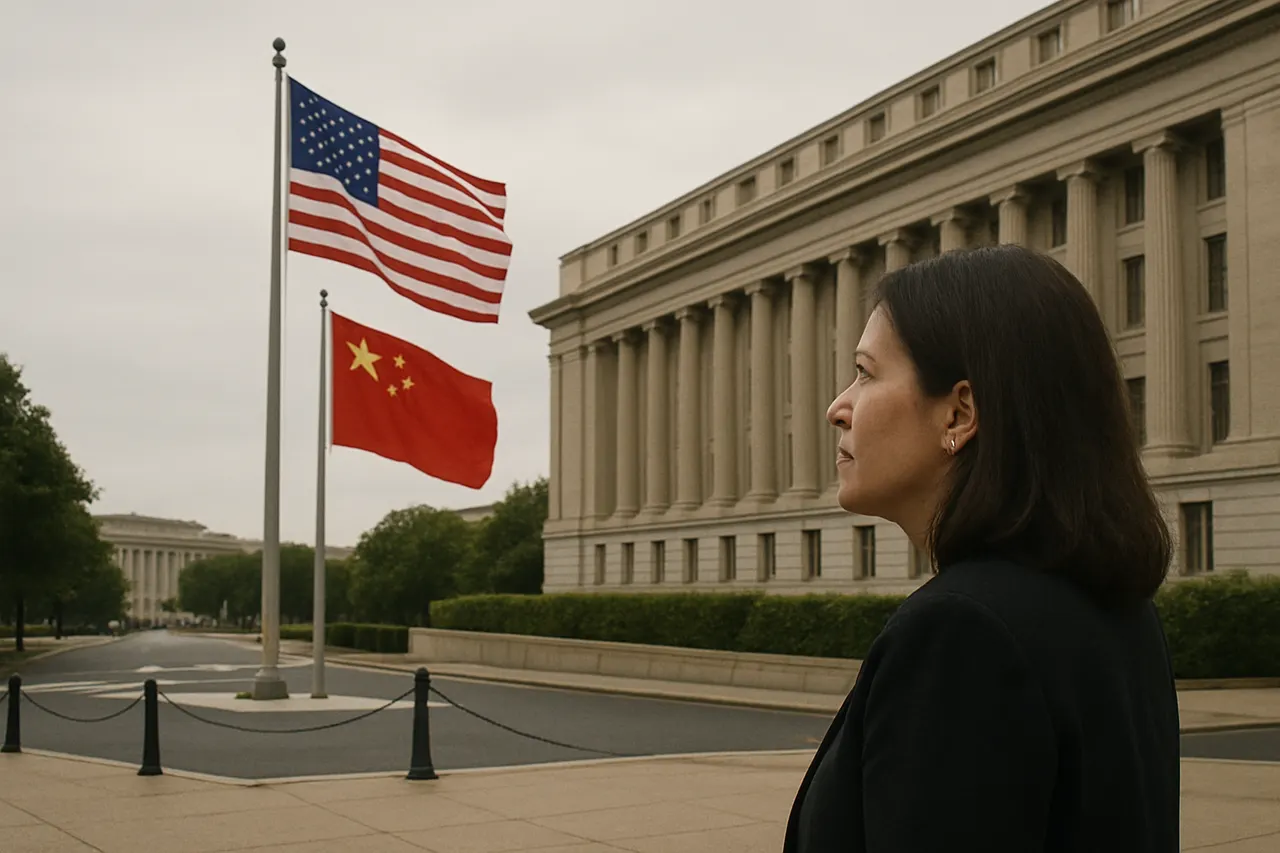
As the United States commemorates its 250th anniversary, its traditional influence in the western hemisphere faces new challenges amid a shifting global order shaped by its complex relationship with China.
During the 2024 presidential campaign, Donald Trump was asked if he worried about Brazil and Mexico moving closer to China. He responded dismissively, saying these countries could “do whatever they wanted” because the United States was “blowing everyone away, including China.” However, this stance shifted months later.
In December, the White House declared the western hemisphere an American “Homeland Security Zone,” committing to prevent rival powers from controlling strategically important assets near US shores. Officials termed this approach the “Trump Corollary” to the Monroe Doctrine, explicitly linking current competition with Beijing to a doctrine established over 200 years ago.
Beijing quickly responded with its third policy paper on Latin America. Without directly naming the US, China rejected “hegemonism and power politics,” opposed “unilateral bullying,” and emphasized that its ties with the region were “not subjugated by any third party.”
This dynamic highlights the ongoing test of America’s first sphere of influence as it navigates a new era of geopolitical rivalry.
Loading comments.