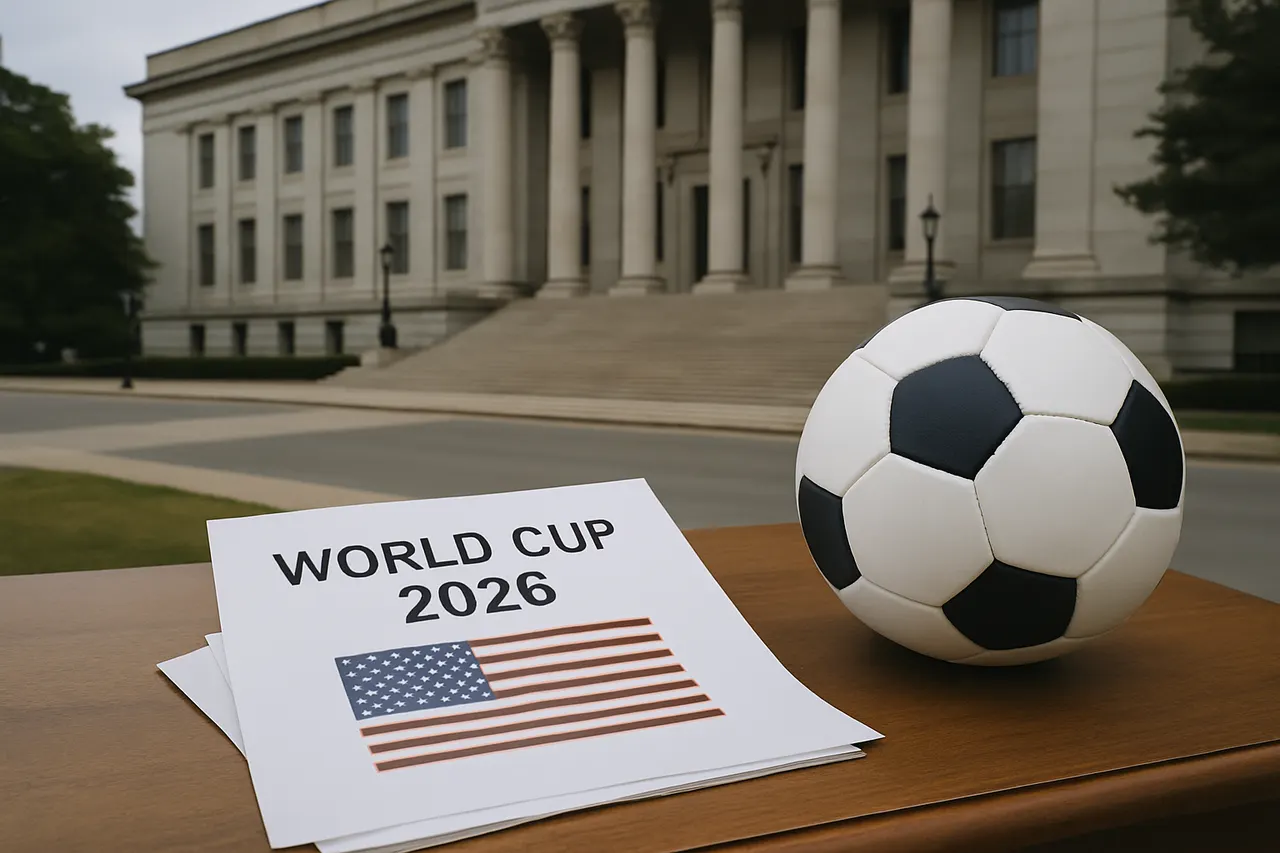
The 2026 World Cup, co-hosted by the United States, Canada, and Mexico, has largely avoided the controversies historically linked to the event, particularly in the US. Unlike previous tournaments, which faced criticism for massive stadium subsidies, forced displacement, and human rights violations—as seen in Russia and Qatar—the US has minimized these issues by utilizing existing stadiums in host cities. This approach has reduced the need for costly new construction and taxpayer burdens.
Strong protections for freedom of speech in the US have also prevented the censorship and repression often associated with authoritarian host countries. This marks a significant improvement compared to past World Cups and Olympic Games, where such problems were prevalent.
However, the contrast is less stark due to ongoing concerns about former President Trump's immigration policies, described as cruel and discriminatory, affecting both US citizens and recent migrants. Additionally, assaults on freedom of speech under his administration have somewhat diminished the positive aspects of the tournament's hosting.
Despite these challenges, the World Cup has fostered many heartwarming moments of Americans welcoming foreign players and fans, showcasing a broader spirit of inclusivity that counters the xenophobic nationalism linked to the Trump Administration.
Loading comments.