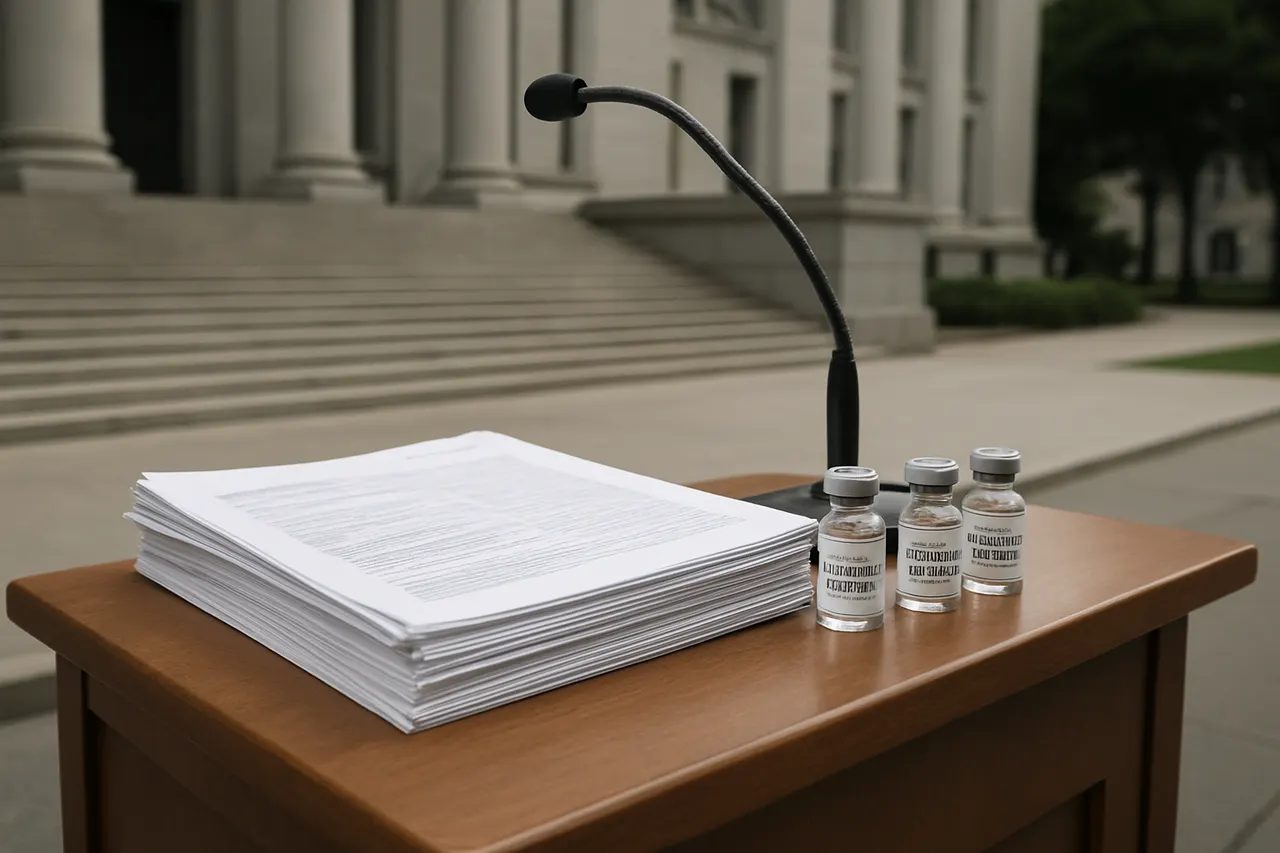
More than 13 billion doses of mRNA vaccines have been administered globally since their rollout in the United States in December 2020 under Operation Warp Speed during the first Trump Administration. A new comprehensive review published in The Lancet evaluates data from randomized trials, post-authorization surveillance, and pharmacovigilance systems over the past six years.
The review concludes that serious adverse side effects from mRNA vaccines remain exceedingly rare. One noted concern is an increased risk of myocarditis, an inflammation of the heart, particularly among young men. The incidence was approximately 12.6 cases per million for Pfizer BioNTech's vaccine and 35.6 cases per million for Moderna's. However, myocarditis rates from COVID-19 infections were found to be 20 to 42 times higher than those from vaccination.
Effectiveness data show that mRNA vaccines are about 87% effective against any documented SARS-CoV-2 infection, 93% effective against hospitalization, and 94% effective against mortality within 14 to 42 days after vaccination.
In June, a Food and Drug Administration (FDA) advisory committee unanimously endorsed a new Moderna mRNA influenza vaccine for adults aged 50 and older.
Overall, the study affirms that "the accumulated evidence affirms mRNA vaccines as a safe, effective, and adaptable platform with enduring relevance for future infectious disease prevention and public health preparedness."
Loading comments.