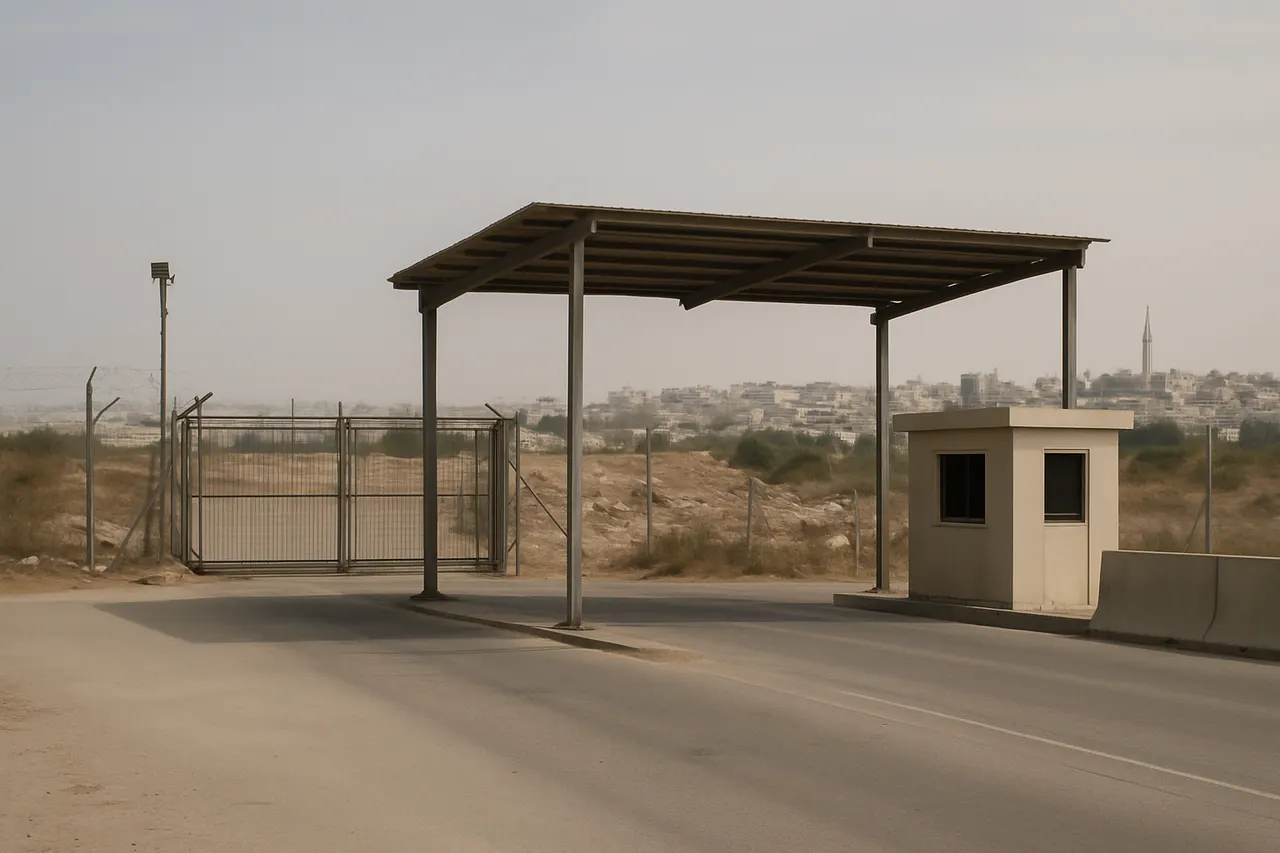
An estimated 300 Palestinians referred for medical treatment abroad have died since the ceasefire began, according to Gaza's Hamas-run health ministry. Patients face agonising delays for evacuation due to lengthy security screening processes and limits imposed by Israeli authorities on the number of departures.
Amina Abu al-Kas, who suffered from an aggressive necrotising infection spreading to her skull, was approved by Gaza's medical board to leave the Strip for treatment abroad. Her son, Saber, described the approval as "the beginning of a new life," noting she was "happy and excited" knowing there was no treatment available in Gaza.
Dr Reinhilde Van de Weerdt, WHO Representative for the occupied Palestinian territory, explained that many recipient countries have specific criteria for patients they can support, such as only accepting children or patients requiring shorter treatments.
Maher Shamia, acting undersecretary of Gaza's health ministry, cited the primary causes of delays as the lengthy security screening and restrictions on departure numbers by Israeli authorities. The Israeli defence ministry body responsible for civil affairs in Gaza, Cogat, stated that patient departures require an official request from a receiving country and completion of security screening.
Before the war, some Gazans had permission to travel to hospitals in the occupied West Bank and East Jerusalem, but this route has been nearly closed, with only one patient travelling to the West Bank for cancer treatment since.
Despite the ceasefire deal eight months ago mandating "full aid" to Gaza, aid workers report ongoing shortages of essential medicines and equipment. Doctors have been forced to ration or share life-saving drugs and turn patients away from chemotherapy or dialysis.
Pat Griffiths, spokesman for the International Committee of the Red Cross (ICRC) in Jerusalem, said, "The fact that the medical evacuation list is thousands long is a sign that people in Gaza don't have access to what they should have - which Israel, as the occupying power under international humanitarian law, has an obligation to allow them access to."
In response to reports of shortages, Cogat stated that 17,000 tons of medicines and medical aid have entered Gaza since the ceasefire, including wheelchairs, cancer medications, insulin pens, anaesthetics, X-ray machines, CT scanners, dialysis machines, and medical consumables.
Notable Quotes
- "It brought life back into her. She knew there was no treatment in Gaza, so she was happy and excited," said Saber, Amina's son.
- "My mother couldn't sleep day or night; she stayed awake, crying out from the pain. Painkillers caused stomach ulcers and inflammation, and the doctors banned her from taking them."
- "We knew that at any moment God might take her. And we also knew that at any moment a miracle might happen, that we might get a call saying, 'Get your bags ready and prepare to travel through the crossing.'"
- "We waited a long time, but no response came. My mother died [on 29 May], and two weeks after her death, I got a call from the hospital informing me that her paperwork was ready."
- "We are talking about something that feels like a miracle," said a family member.
Loading comments.