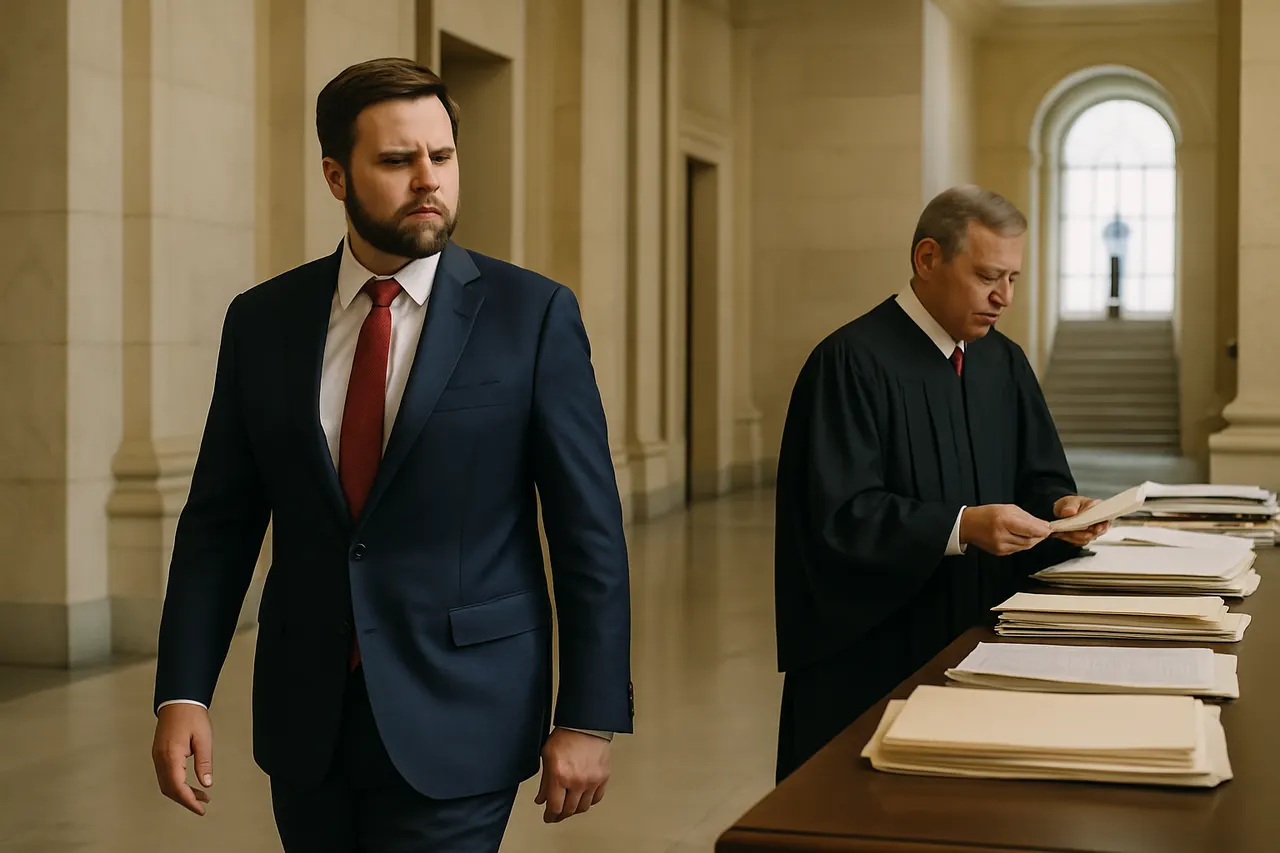
On July 1, 2026, the U.S. Supreme Court ruled 6-3 against President Trump's executive order that sought to limit birthright citizenship. The order aimed to exclude children born in the U.S. to parents without permanent legal status from automatic citizenship under the 14th Amendment.
Chief Justice John Roberts, joined by three liberal justices and Justice Amy Coney Barrett, affirmed that the 14th Amendment grants automatic citizenship to nearly all children born on U.S. soil, including those born to parents unlawfully present in the country. Roberts noted there is "scant evidence for this dramatically revisionist view" presented by the executive order.
Justice Brett Kavanaugh dissented from the majority's constitutional interpretation but voted to block the executive order based on a 1940 law.
Vice President Vance criticized the Supreme Court's decision, calling it a "major mistake" and "very disappointing." Speaking to Fox News host Laura Ingraham on "The Ingraham Angle," Vance expressed concern that the ruling might encourage people to travel to the U.S. "quite literally on a vacation, give birth, and then all of a sudden the child and their family have the full benefits of American citizenship." He described the ruling as "preposterous" and suggested the Court should have ruled differently.
President Trump had signed the executive order upon his return to the White House last year, aiming to narrow the scope of birthright citizenship guaranteed by the 14th Amendment.
Loading comments.