On July 1, 2026, the US Supreme Court upheld state laws in Idaho and West Virginia that effectively ban biological males from participating in girls' sports. The ruling affirms that transgender status is not a protected class under federal law, leaving decisions on transgender athletes to individual states.
The decision followed lawsuits filed by transgender athletes seeking access to girls' sports teams. Notably, in West Virginia, a transgender student who was a minor filed a lawsuit in 2021 after being told she could not compete on girls' cross-country and track-and-field teams before entering sixth grade. In May 2026, just weeks before the ruling, this athlete won the West Virginia Class AAA girls’ shot put state championship.
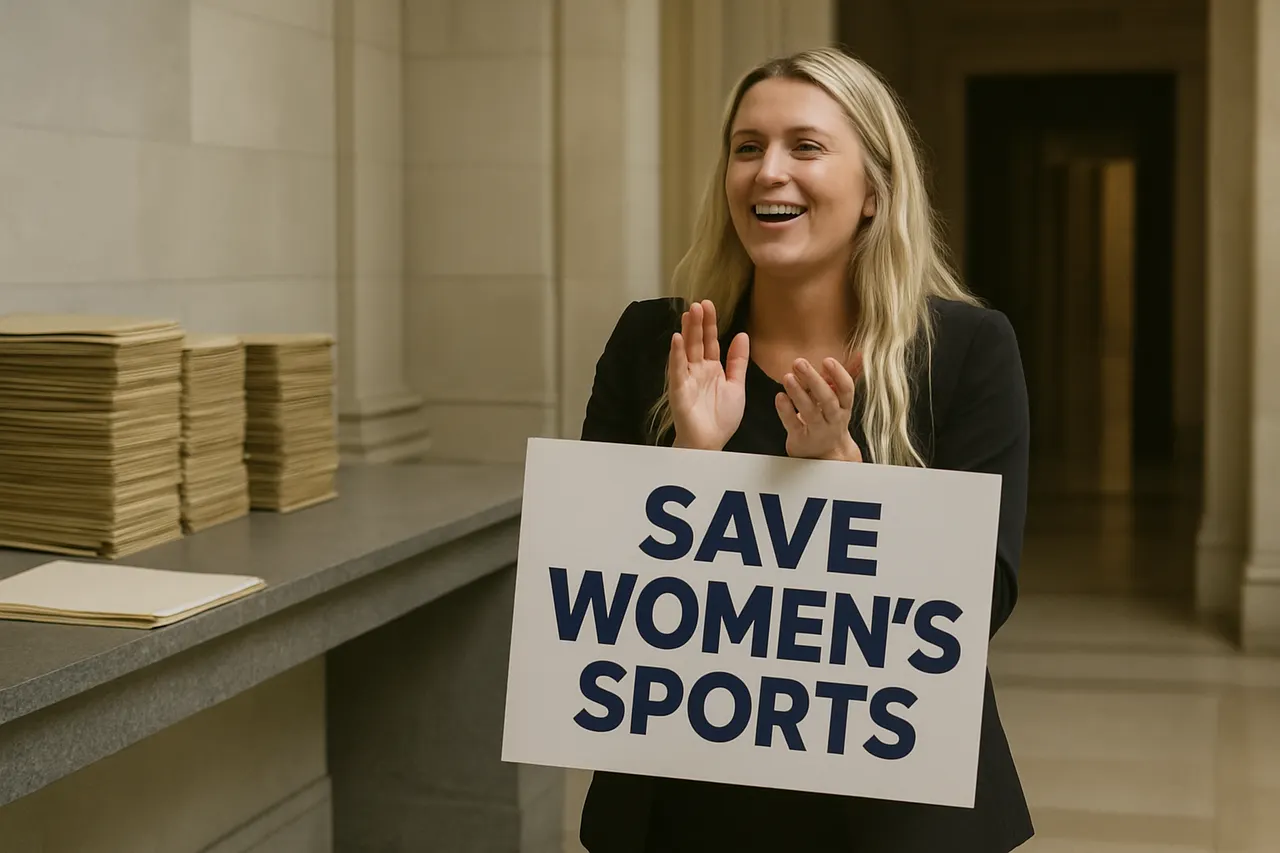
US conservative activist Riley Gaines and "Save Women's Sports" supporters had rallied outside the Supreme Court in January, facing opposition from pro-transgender activists. Gaines described the opposing crowd as "so angry," contrasting it with the supportive atmosphere among her group.
Minnesota Governor Tim Walz, a Democrat, publicly denounced the Supreme Court ruling as "cruel" on social media, stating, "As the Supreme Court says states can be cruel to trans kids, my message is clear: Here in Minnesota, we stand with and value our trans neighbors and youth." His comment sparked immediate criticism from conservatives, many from Minnesota, who argued that protecting female athletes' safety and opportunities is paramount. Walz later clarified that Minnesota's policies on girls in boys' sports would not change due to the ruling.
The ruling and ensuing debate highlight the ongoing national controversy over transgender athletes' participation in sports, with legal, social, and political dimensions continuing to unfold.
Loading comments.