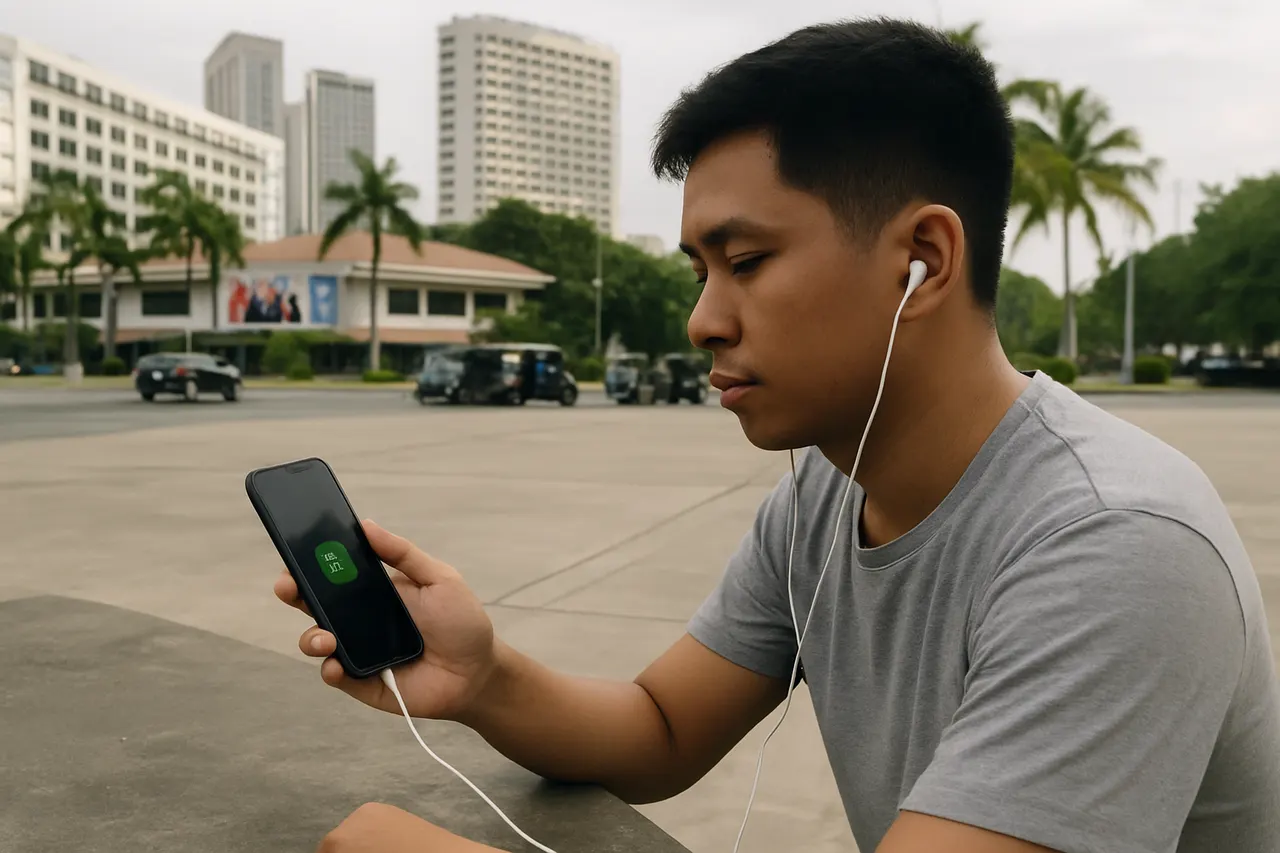
Filipino call centre worker Jaycer Bajo has witnessed a major shift in his Spotify playlist over recent years, moving from primarily U.S. chart-toppers to a steady rotation of Pinoy Pop (P-pop) artists such as ALAMAT, BGYO, and BINI—the latter becoming the first all-Filipino girl group to perform at Coachella in April.
“There were bands and groups in the Philippines that were making quality music before 2020, but it just boomed after that here,” Bajo said.
Data from Soundcharts, a French music analytics platform, shows that between 2021 and the first half of 2026, the share of local artists in Spotify’s weekly top 10 surged dramatically: from 39% to 97% in Indonesia, 31% to 81% in the Philippines, and 71% to 76% in Thailand. Local artists also gained ground on radio weekly top 10 charts, rising from 29% to 55% in Indonesia, zero to 5% in the Philippines, and 38% to 65% in Thailand over the same period.
In Malaysia, while local artists’ share of Spotify’s weekly top 10 increased modestly from 1% in 2021 to about 8.3% in early 2026, regional groups saw a significant rise from 5% to 45.7%, according to Soundcharts data.
The Philippines’ digital music revenue, encompassing podcast advertising, music streaming, downloads, and streaming ads, doubled from $93 million in 2021 to $180 million in 2025, based on data shared with Al Jazeera by Julia Stoll, an analyst at Statista.
This surge in regional music popularity reflects Southeast Asia’s growing ability to find its own voice, drawing lessons from the global success of K-pop but carving out distinct local identities.
Loading comments.