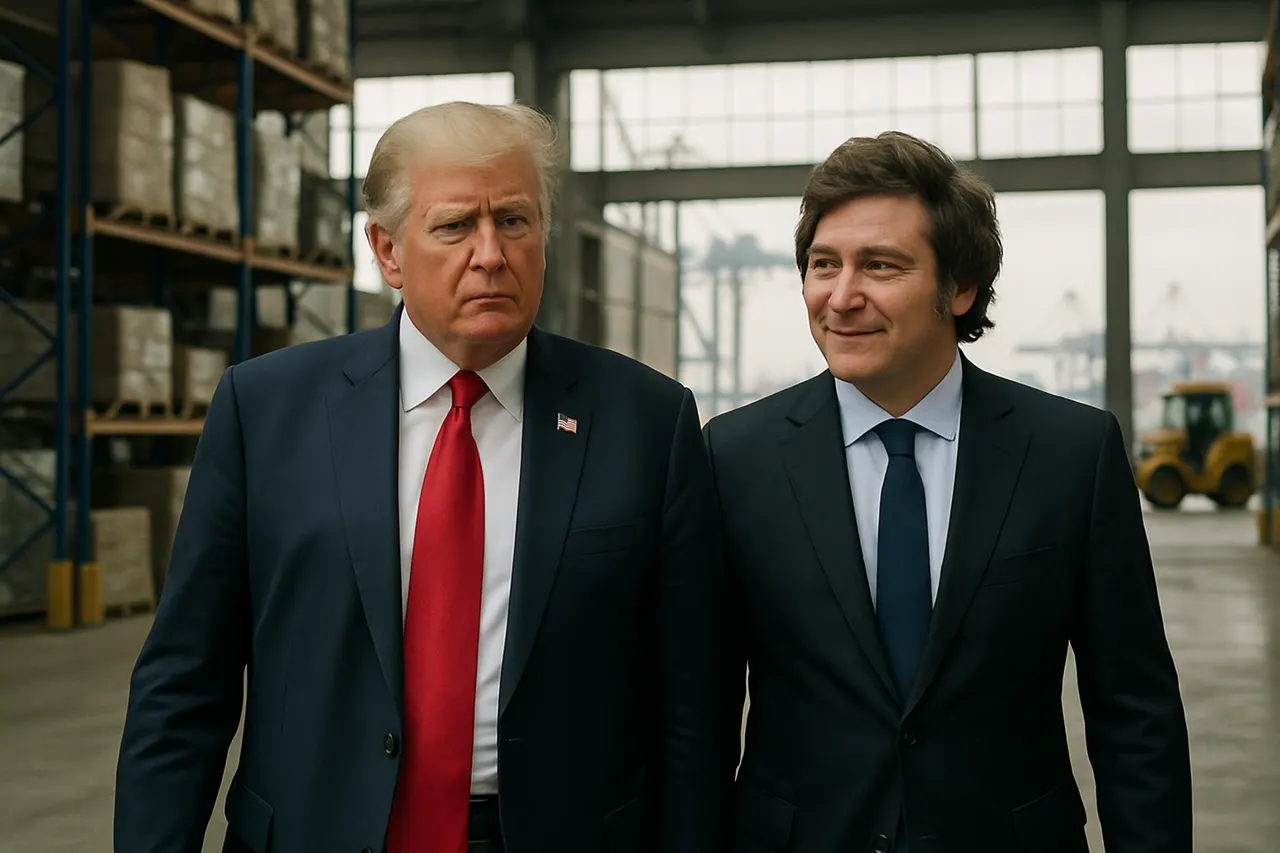
Despite previously dismissing cryptocurrencies as a "disaster waiting to happen" and a "scam," former US President Donald Trump earned over $1 billion (€878 million) from cryptocurrency sales in 2025, according to his annual financial disclosures. Most profits came from his World Liberty Financial business, which sold new crypto products ($500 million) and "meme coins" ($600 million). This financial success coincides with increasingly favorable US policies on crypto, including reduced regulations and the introduction of federal rules for stablecoins.
Trump is not alone in supporting cryptocurrencies. In the United Kingdom, populist leader Nigel Farage faces public backlash threatening his Reform UK party after receiving a £5 million ($6.6 million/€5.8 million) personal "gift" from Thailand-based British crypto billionaire Christopher Harborne. Reform UK maintains a pro-crypto stance.
Elsewhere in Europe, Czech justice minister Pavel Blazek resigned last year after accepting 468 bitcoins worth $45 million from convicted criminal Tomas Jirikovsky. Additionally, Spanish right-wing MEP Luis "Alvise" Perez Fernandez has been accused of accepting crypto financing from a convicted fraudster.
In Argentina, Trump-friendly President Javier Milei has drawn criticism from financial authorities and the public for promoting the volatile crypto scheme $LIBRA, which surged following his social media endorsement before collapsing.
A 2025 Chainalysis report tracking blockchain activity revealed that European extremist groups' use of cryptocurrencies is rapidly approaching that of their US counterparts, with Europe commanding nearly 50% of total inflows between 2022 and 2024.
Eliza Lockhart, senior research fellow at the Centre for Finance and Security at the UK’s RUSI think tank, told Deutsche Welle that while "crypto should not be characterized as inherently or exclusively right-wing," the industry's alliances are often forged on the right wing. She highlighted the challenge of tracking campaign donations due to the anonymity and speed of digital wallets, which can facilitate electoral influence. Lockhart emphasized, "The central issue is whether a public office-holder should be allowed to have a substantial financial or commercial interest in a business whose profitability or asset values can be directly affected by government decisions."
Loading comments.