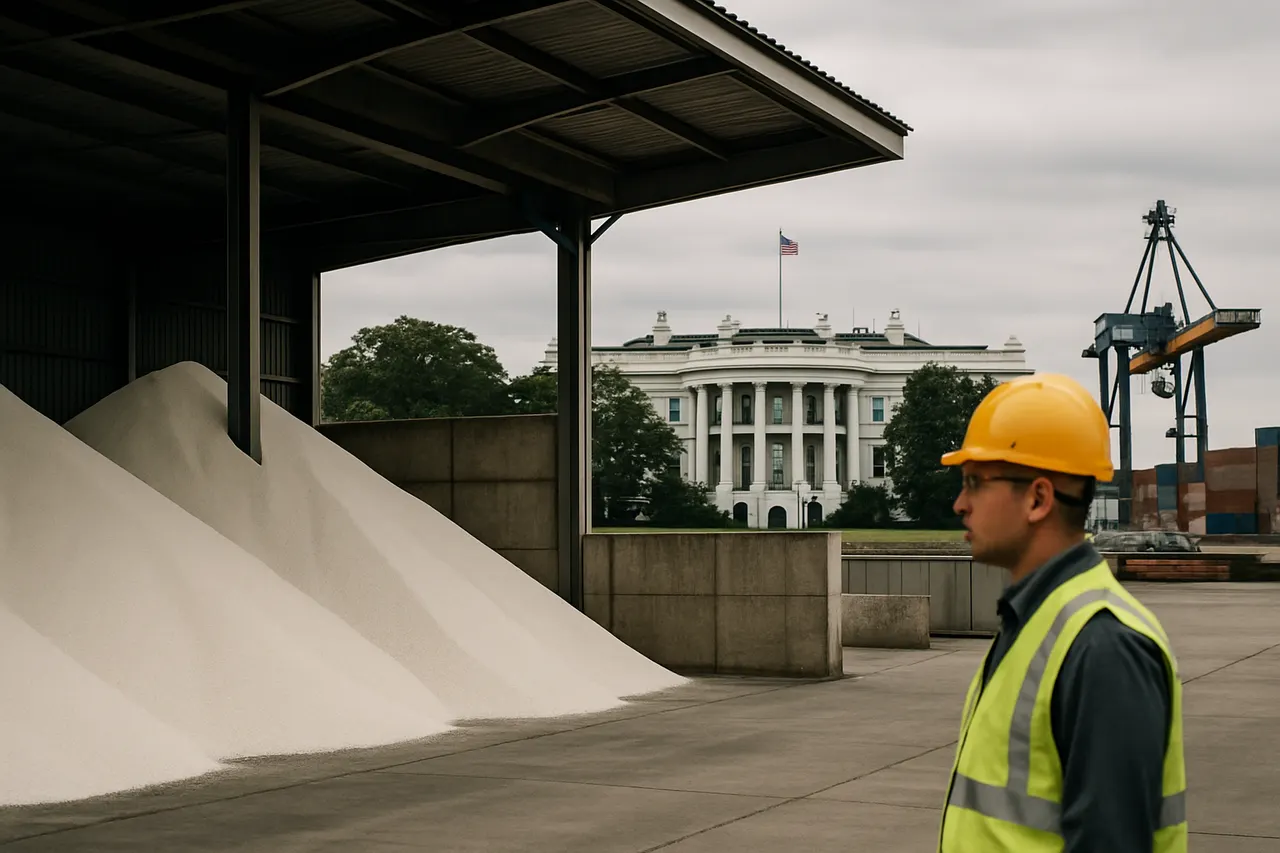
The White House quietly dropped tariffs on fertilizer imports from Morocco on June 30, 2026, aiming to ensure that U.S. farmers have timely access to phosphate fertilizers during the planting and growing season. This move is intended to stabilize domestic crop supply and meet food production needs amid spiking fertilizer prices attributed to the Iran War, which have contributed to rising food prices.
Official statements emphasized the goal to "help restore balance to fertilizer markets by providing immediate relief to growers facing elevated input costs and a lack of availability." Officials also asserted that "there has been no shortage of fertilizer for the American farmer, and there will be no such shortage," and that farmers "have gotten everything they need, and they will get everything they need for their acreage."
However, the tariff rollback is seen as an implicit acknowledgment by the Trump administration that tariffs increase prices, as reducing tariffs is expected to lower costs. This follows similar tariff rollbacks on coffee, beef, other imported foods, and farm equipment.
The tariffs on Moroccan fertilizer imports have been costly for U.S. farmers, with an estimated $6.9 billion in costs between 2021 and 2025, according to a report by the Texas A&M Agricultural and Food Policy Center.
The rollback also highlights the role of key figures such as Greer, a top trade official under Trump, who previously lobbied on behalf of Simplot, an American fertilizer manufacturer advocating for higher tariffs on foreign competitors. During the Biden administration, Greer testified before the International Trade Commission in favor of these tariffs and downplayed their potential negative consequences, despite evidence that the tariffs had already prevented farmers from accessing necessary tools, resulting in lower yields and economic harm.
Loading comments.