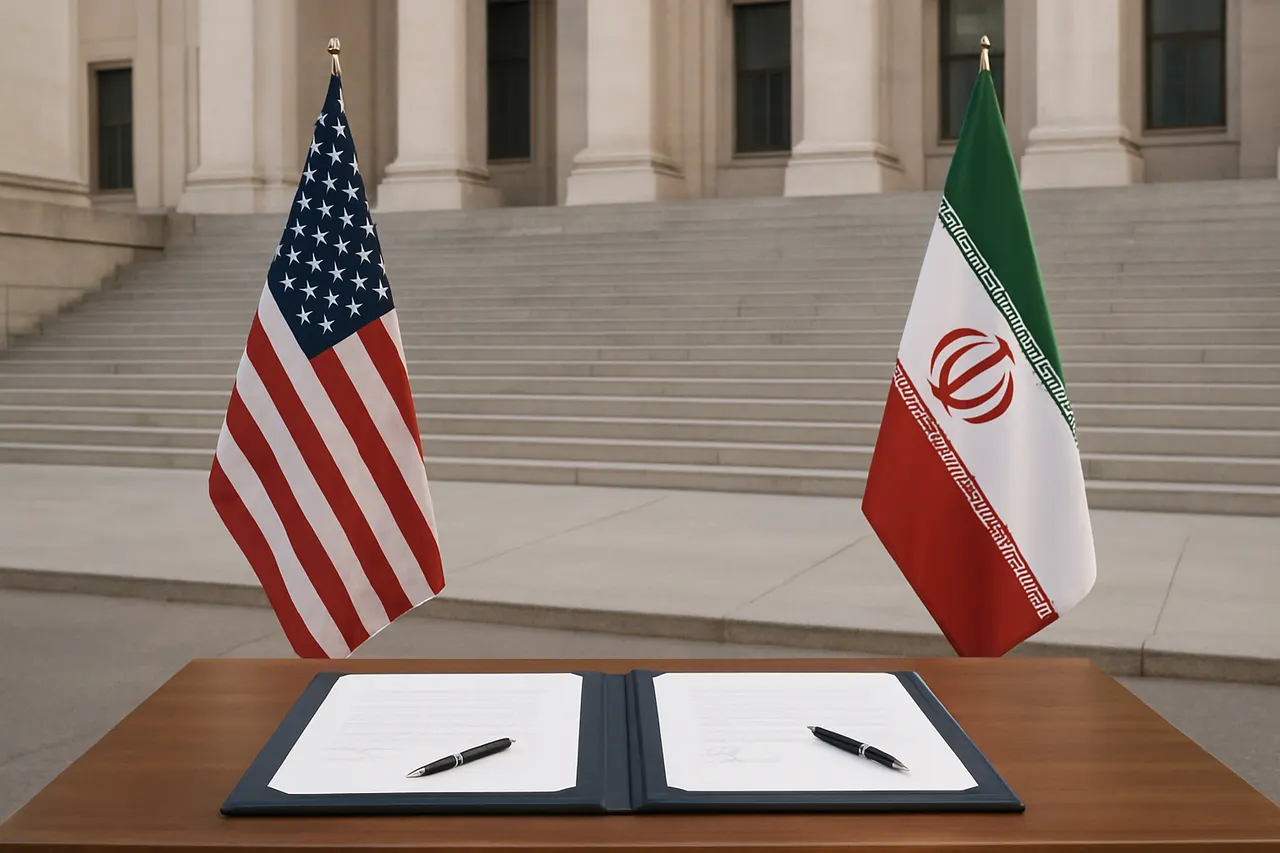
The memorandum of understanding (MOU) signed between the United States and Iran has brought an end to more than three months of direct warfare. The agreement includes lifting a US naval blockade and establishing a $300 billion reconstruction fund for Iran, significantly altering the geopolitical landscape.
According to a research paper by the Al Jazeera Centre for Studies (AJCS), the MOU marks a strategic setback for Washington’s initial war aims, effectively abandoning the goal of regime change. The framework also signals a potential end to Israeli ambitions of uncontested regional hegemony, with the US implicitly recognizing Iran as a legitimate regional power.
Despite the ceasefire, the prolonged conflict has severely tested Iran’s “axis of resistance,” a network of pro-Iranian allied forces including Hezbollah in Lebanon, the Houthis in Yemen, and armed groups in Iraq. As the situation stabilizes, experts are analyzing the tactical losses, strategic adaptations, and future capabilities of Tehran’s proxy network to determine whether Iran’s regional deterrence has been permanently weakened or if the axis is evolving into a more decentralized and resilient force.
Interestingly, during the US-Israeli war, Tehran largely relied on its own missiles, drones, and control over the Strait of Hormuz rather than deploying the full strength of its allied forces. Negar Mortazavi, a senior fellow at the Center for International Policy, noted that this does not necessarily mean the doctrine underpinning the axis of resistance has failed.
Meanwhile, US envoys have been engaged in indirect talks with Iranian technical delegations in Doha, though reports vary on the exact number of envoys and negotiators involved.
Loading comments.